Home and decoration
Home decoration extends far beyond selecting attractive furniture or matching color palettes. It represents the deliberate transformation of physical spaces into environments that support daily activities, reflect personal identity, and actively contribute to mental and physical well-being. Whether you’re working with a compact studio apartment or reimagining a sprawling family home, the principles of thoughtful interior design remain consistent: functionality must harmonize with aesthetics, and every choice should serve both practical needs and emotional comfort.
The contemporary approach to home decoration recognizes that our living spaces profoundly influence our mood, productivity, and relationships. From the psychological impact of clutter to the physiological effects of light temperature, each design decision creates a ripple effect throughout your daily experience. This comprehensive exploration examines the fundamental pillars of effective home decoration—space planning, lighting mastery, style selection, sustainable choices, technological integration, and meaningful personalization—equipping you with the knowledge to create spaces that truly serve you.
Why Space Planning Forms the Foundation of Good Design
Before selecting a single paint color or furniture piece, understanding how space functions determines whether a home feels effortless or constantly frustrating. Effective space planning addresses both the measurable aspects—square footage, traffic patterns, furniture scale—and the intangible ones, including visual boundaries and psychological comfort.
Maximizing Small and Awkward Spaces
Limited square footage doesn’t mandate sacrificing comfort or style. The key lies in selecting multi-functional furniture that adapts to changing needs throughout the day. A dining table that doubles as a workspace, or a sofa with hidden storage compartments, fundamentally changes how efficiently you can use each square meter. Research consistently demonstrates that perceived spaciousness depends less on actual dimensions and more on strategic design choices.
Visual tricks amplify the sense of space without structural changes. Mirrors positioned opposite windows duplicate natural light while creating depth perception. Vertical storage solutions draw the eye upward, making ceilings feel higher. Light-reflective surfaces—glossy paint finishes, metallic accents, glass furniture—bounce light around the room rather than absorbing it. These techniques work particularly well when combined: a narrow hallway transformed with floor-to-ceiling mirrors and strategic lighting can feel twice its actual width.
Creating Flow and Visual Boundaries
Movement through living areas should feel intuitive, never requiring conscious navigation around obstacles. Common layout errors include positioning furniture that blocks natural pathways or choosing oversized pieces that crowd the room. The solution involves mapping primary traffic routes before placing any furniture, then selecting appropriately scaled pieces that enhance rather than obstruct these flows.
Open-concept living presents unique challenges: how do you define different functional zones without physical walls? Furniture arrangement becomes the primary tool. A strategically placed bookshelf can separate a home office from a living area without blocking light or airflow. Area rugs anchor distinct zones—dining, conversation, workspace—providing visual cues that signal functional transitions. Even subtle shifts in flooring materials or ceiling height can psychologically demarcate spaces while maintaining the open feel.
Mastering Light to Transform Any Room
Lighting represents perhaps the most powerful yet frequently underestimated element in home decoration. The same room can feel energizing or relaxing, spacious or claustrophobic, welcoming or sterile based entirely on lighting choices. Understanding both natural and artificial light sources allows you to shape atmosphere with precision.
Natural Light Optimization
Maximizing existing natural light begins with window treatments. Sheer curtains diffuse harsh midday sun while maintaining brightness, whereas heavy drapes block light entirely when needed. The choice depends on room function and orientation: south-facing windows (in the Northern Hemisphere) receive intense light requiring management, while north-facing rooms benefit from any light-enhancing strategy available.
Dark interiors require layered approaches. Beyond installing larger windows, which isn’t always feasible, focus on reflective strategies:
- Position mirrors to bounce light from windows deeper into the room
- Choose light paint colors with subtle sheen rather than flat finishes
- Remove or trim outdoor vegetation blocking windows
- Use glossy or metallic elements in furniture and accessories
Artificial Lighting Strategies
The color temperature of artificial light dramatically affects mood and functionality. Warm light (2700-3000K) creates cozy, intimate atmospheres ideal for bedrooms and living spaces. Cool light (4000-5000K) promotes alertness and concentration, making it appropriate for home offices and task-oriented areas like kitchens. Many people underestimate this impact, installing uniform lighting throughout their home and wondering why certain rooms never feel quite right.
Layered lighting incorporates three distinct types: ambient (overall illumination), task (focused light for specific activities), and accent (highlighting architectural features or artwork). A well-designed room includes all three, controlled independently. This allows you to shift atmosphere throughout the day—bright task lighting for morning routines, then softer ambient lighting for evening relaxation. Static lighting, using only overhead fixtures, represents one of the most common design mistakes, creating harsh shadows and eliminating atmospheric flexibility.
Choosing a Design Philosophy That Reflects You
Design styles range across a vast spectrum, from the sparse simplicity of minimalism to the abundant layering of maximalism, with countless variations between. The question isn’t which style is objectively “better,” but which aligns with your personality, lifestyle, and practical needs.
Minimalism, often associated with expensive designer pieces, can actually be adopted on modest budgets. The philosophy centers on intentional curation—keeping only items that serve clear functions or bring genuine joy. This doesn’t demand purchasing all-new furniture; rather, it involves thoughtful decluttering and selecting pieces with clean lines and neutral palettes. The Scandinavian concept of “Lagom” (roughly “just the right amount”) offers a less austere alternative, balancing simplicity with warmth through natural materials and subtle textures.
Conversely, maximalism celebrates abundance, pattern, and personal collections. Done skillfully, it creates vibrant, personality-filled spaces without descending into chaos. The key lies in following compositional principles: the rule of three for mixing patterns (varying scale while maintaining a cohesive color story), deliberate display of collections (grouped by theme or color rather than scattered randomly), and balancing bold elements with neutral anchors. Industrial aesthetics, featuring raw materials like exposed brick and metal, can feel harsh without softening elements—textiles, greenery, and warm wood tones counterbalance the hardness.
Your chosen style should accommodate rather than fight your natural tendencies. If you accumulate books, collections, or sentimental objects, minimalism may create constant stress. If visual clutter triggers anxiety, maximalism likely won’t suit you regardless of how aesthetically appealing it appears in magazines.
How Sustainable Choices Impact Long-Term Satisfaction
Sustainability in home decoration extends beyond environmental consciousness, directly affecting indoor air quality, durability, and ongoing maintenance requirements. These factors significantly influence how spaces function and feel over years of actual use.
Material Selection and Durability
Eco-friendly flooring options have expanded considerably, moving beyond basic bamboo to include reclaimed wood, cork, linoleum (distinct from vinyl), and recycled materials. Evaluating these choices requires considering multiple factors:
- Transport carbon footprint (local materials reduce environmental impact)
- Non-toxic certifications verifying low VOC emissions
- Durability under your specific use conditions
- Maintenance requirements and longevity
Beware of greenwashing—marketing that emphasizes minor eco-friendly attributes while obscuring significant environmental costs. Certifications from independent third parties (rather than industry groups) provide more reliable verification. The most sustainable choice often proves to be the one that lasts longest, even if initial production had moderate environmental impact, because it avoids the waste and resources required for premature replacement.
Health and Well-Being Through Design
Tactile interior design—the deliberate selection of materials based on how they feel—influences well-being in measurable ways. Natural wood surfaces have demonstrated stress-reducing effects in multiple studies, likely due to unconscious associations with nature. Stone elements provide cooling contrast and visual grounding. Natural fibers in upholstery and textiles allow better temperature regulation than synthetics, improving physical comfort.
These natural materials require awareness of potential risks. Natural fibers can harbor mold in humid environments without proper ventilation and periodic cleaning. Raw wood surfaces need appropriate sealing to prevent moisture absorption. Hypoallergenic options exist across material categories for those with sensitivities, though they often require specific research to identify beyond marketing claims.
Light and color temperature also significantly impact mental health, particularly for those experiencing seasonal affective patterns. Layering warm textures (chunky knits, velvet, sheepskin), creating intimate social nooks with strategic furniture arrangement, and timing lighting to mimic natural daylight patterns can substantially improve mood during darker months.
Integrating Smart Technology Without Sacrificing Style
Connected home technology offers genuine functional improvements—precision temperature control, voice-activated lighting, automated inventory tracking—but integration requires thoughtful planning to avoid creating new frustrations or aesthetic compromises.
Kitchen efficiency improvements from smart appliances can be substantial. Precision cooking through connected devices reduces waste and improves results. Inventory management systems can genuinely simplify grocery planning. However, the connectivity breakdown risk deserves consideration: when internet service fails or manufacturers discontinue support, do these appliances still function adequately with manual controls? The most resilient approach combines smart features with robust traditional operation.
Visual integration matters. Visible technology—screens, sensors, charging stations—can clash with intentional design aesthetics. Built-in charging drawers, concealed cable management, and devices selected partly for design coherence help technology enhance rather than dominate spaces. Voice control systems eliminate some visible tech needs while creating new ones, so evaluate whether the trade-off suits your priorities.
Making Spaces Truly Yours Through Personalization
Technical proficiency in space planning and lighting creates functional foundations, but personalization transforms generic spaces into meaningful homes. This becomes particularly important in temporary living situations, where limitations on permanent modifications can make spaces feel emotionally distant.
Art and Display Techniques
Gallery walls offer powerful opportunities for displaying personal identity, but haphazard execution can create visual chaos. Start by laying out the complete arrangement on the floor, experimenting with geometric relationships between frames. Consistent spacing between frames (typically 5-8 centimeters) creates cohesion even when mixing frame styles and sizes. The center point of the overall arrangement should align with eye level (approximately 145-150 centimeters from the floor).
Choosing art for emotional impact rather than purely decorative coordination creates more meaningful spaces. Personal photographs, children’s artwork, or pieces from meaningful travels carry psychological weight that generic prints cannot replicate. Sequencing the layout allows you to create visual narratives, grouping related pieces or building color/theme progressions.
Textiles and Cultural Elements
Global textiles introduce pattern, texture, and cultural richness, but respectful integration requires some understanding of their origins. Many traditional patterns carry specific cultural or spiritual meanings beyond pure aesthetics. Researching these associations demonstrates respect and often enhances appreciation. Hand-woven textiles from specific regions possess characteristics that authentication experts use to distinguish originals from mass-produced imitations—irregularities that indicate human creation, specific dyeing techniques, or regional pattern variations.
Balancing bold prints with neutral elements prevents visual overwhelm. A vibrant kilim rug might anchor a room, with complementary solid-colored furniture allowing the textile to shine. Layering textures—smooth cotton against rough linen, glossy silk beside matte wool—adds depth without requiring pattern mixing. Natural dyes in traditional textiles may fade with direct sunlight exposure, requiring strategic placement or UV-filtering window treatments to preserve them.
Even in rental situations with restrictions on paint or permanent modifications, textiles offer powerful transformation tools. Removable wallpaper, temporary window films, and abundant fabric layers can dramatically shift a space’s character without risking deposit deductions. The psychology of ownership in temporary spaces is real: personalizing your environment, even knowing it’s temporary, significantly impacts well-being and comfort during your residence.
Home decoration ultimately serves one fundamental purpose: creating environments where you can live your best life. Whether that involves embracing minimalist calm, maximalist abundance, cutting-edge technology, or handcrafted simplicity depends entirely on your authentic needs and preferences. The principles explored here—thoughtful space planning, strategic lighting, intentional style selection, sustainable materials, and meaningful personalization—provide the framework for making informed decisions that serve you long-term. Start with the aspects causing the most friction in your current space, apply these foundational concepts, and build gradually toward the comprehensive vision that feels like home.
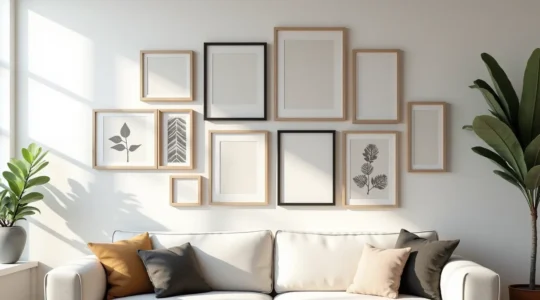
How to Plan a Gallery Wall That Doesn’t Look Cluttered?
A sophisticated gallery wall is not about following rigid rules; it’s about mastering the art of personal curation. Intentional Curation: The key is to treat your collection as a visual autobiography, where every piece and frame has a purpose. Damage-Free…
Read more
How to Use Natural Textures to Reduce Sensory Overload?
Creating a truly calming home for a sensitive person requires a conscious “haptic calibration” of every surface, going far beyond simple aesthetics. Unfinished wood and raw materials lower stress by engaging the brain’s innate affinity for natural, non-repeating patterns. Specific…
Read more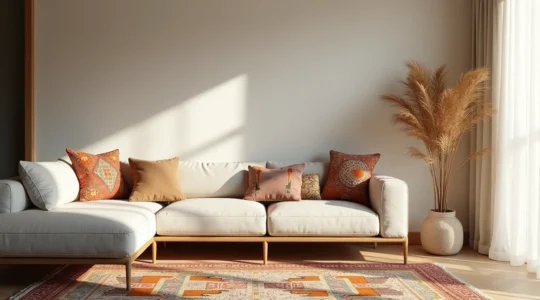
How to Mix Global Textiles in a Modern Living Room?
Successfully integrating global textiles is an act of cultural curation, not just decoration. Authenticity and provenance are more critical than pattern matching; understanding a textile’s story prevents unintentional disrespect. A balanced room relies on a visual grammar of pattern scale…
Read more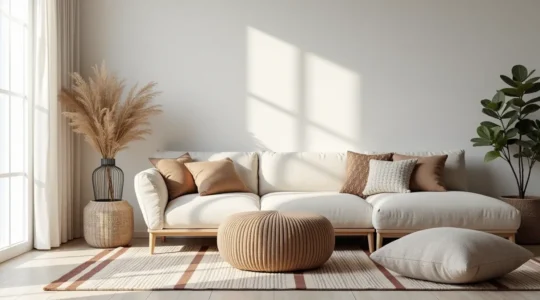
How to Layer Patterns and Textures Without Looking Messy?
The line between a vibrant maximalist haven and a cluttered mess is discipline, not luck. Success lies in applying a strict three-scale rule for patterns (large, medium, small) to avoid visual conflict. Adopt a curator’s mindset by implementing a “One…
Read more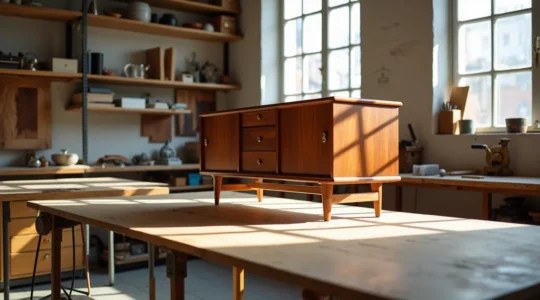
Restore Mid-Century Furniture: A Guide to Preserving, Not Just Refinishing, Its Value
Contrary to popular belief, restoring valuable mid-century furniture isn’t about making it look brand new with aggressive sanding and staining. True value preservation comes from a forensic assessment of the piece’s authenticity, material integrity, and historical wear. Strategic inaction—choosing what…
Read more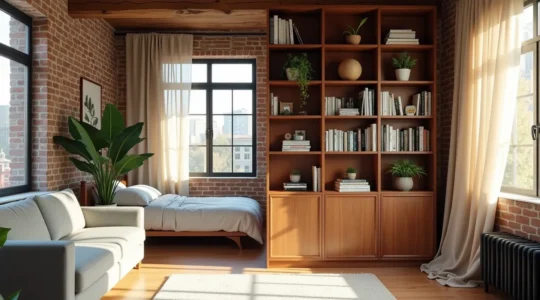
How to Create a Private Bedroom in a Studio Loft: The No-Wall Guide
Creating true bedroom privacy in a loft is not about walls; it’s an act of spatial choreography that uses dividers, light, and texture to sculpt separate functional volumes within a single space. Effective division prioritizes acoustic and psychological separation over…
Read more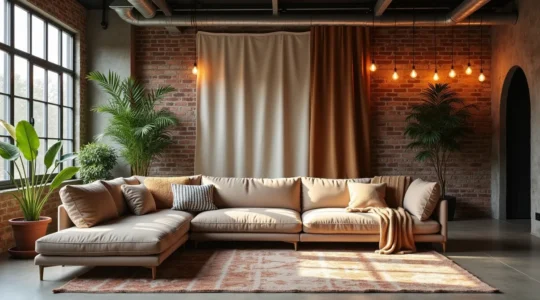
How to Make a Concrete Industrial Loft Feel Warm and Livable?
The raw appeal of an industrial loft often hides a harsh reality of poor acoustics and thermal inefficiency. Solve echo by treating walls and ceilings as acoustic surfaces, not just boundaries. Control temperature by sealing the building envelope and using…
Read more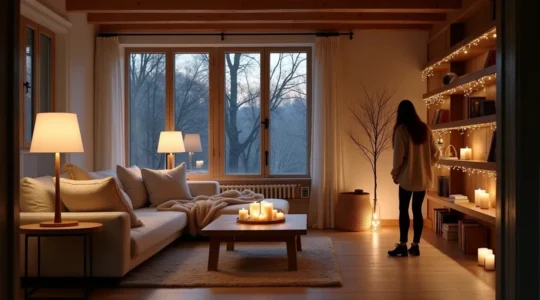
How to Beat the Winter Blues With ‘Hygge’ Lighting Strategies?
The key to beating the winter blues isn’t just ‘cozy’ lighting, but a strategic “light diet” that manages your hormones from morning to night. Cool, bright light in the evening suppresses melatonin and raises stress hormones, increasing anxiety. Tactile textures…
Read more
Bamboo vs Oak Flooring: Which Is Truly More Sustainable?
The belief that fast-growing bamboo is automatically greener than slow-growing oak is a dangerous oversimplification used in greenwashing. True sustainability depends on the total lifecycle carbon, including processing and thousands of miles of shipping for imported materials like bamboo. Hidden…
Read more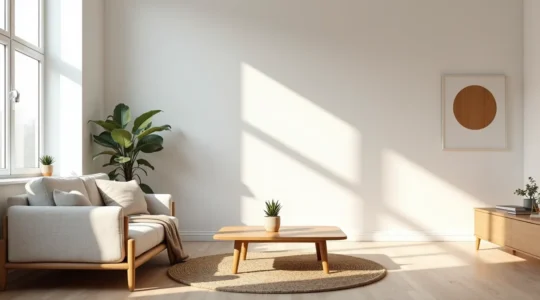
How to Achieve the Scandinavian Look Without Spending a Fortune?
In summary: Achieving a high-end Scandinavian look is less about expensive furniture and more about mastering core design principles. Focus on creating “visual silence” by decluttering and using negative space intentionally to foster a sense of calm. Leverage a rich…
Read more